

When dealing with why your ankeny drains keep clogging (and how to fix it), prompt action and strict adherence to Iowa plumbing standards are critical. Our licensed master plumbers recommend immediate isolation of active hazards, following code-compliant diagnostic steps, and scheduling a professional on-site evaluation before minor plumbing vulnerabilities escalate into structural property damage.
The Frustration of the Chronic Clog
You plunge the sink, water drains away, and you think the job is done. But three days later, water is pooling around your ankles in the shower again. If you find yourself repeatedly reaching for a plunger or chemical bottle, your plumbing is signaling a much deeper systemic issue.
Understanding the root causes of recurring clogs in Ankeny homes is the first step toward a permanent, hassle-free fix.
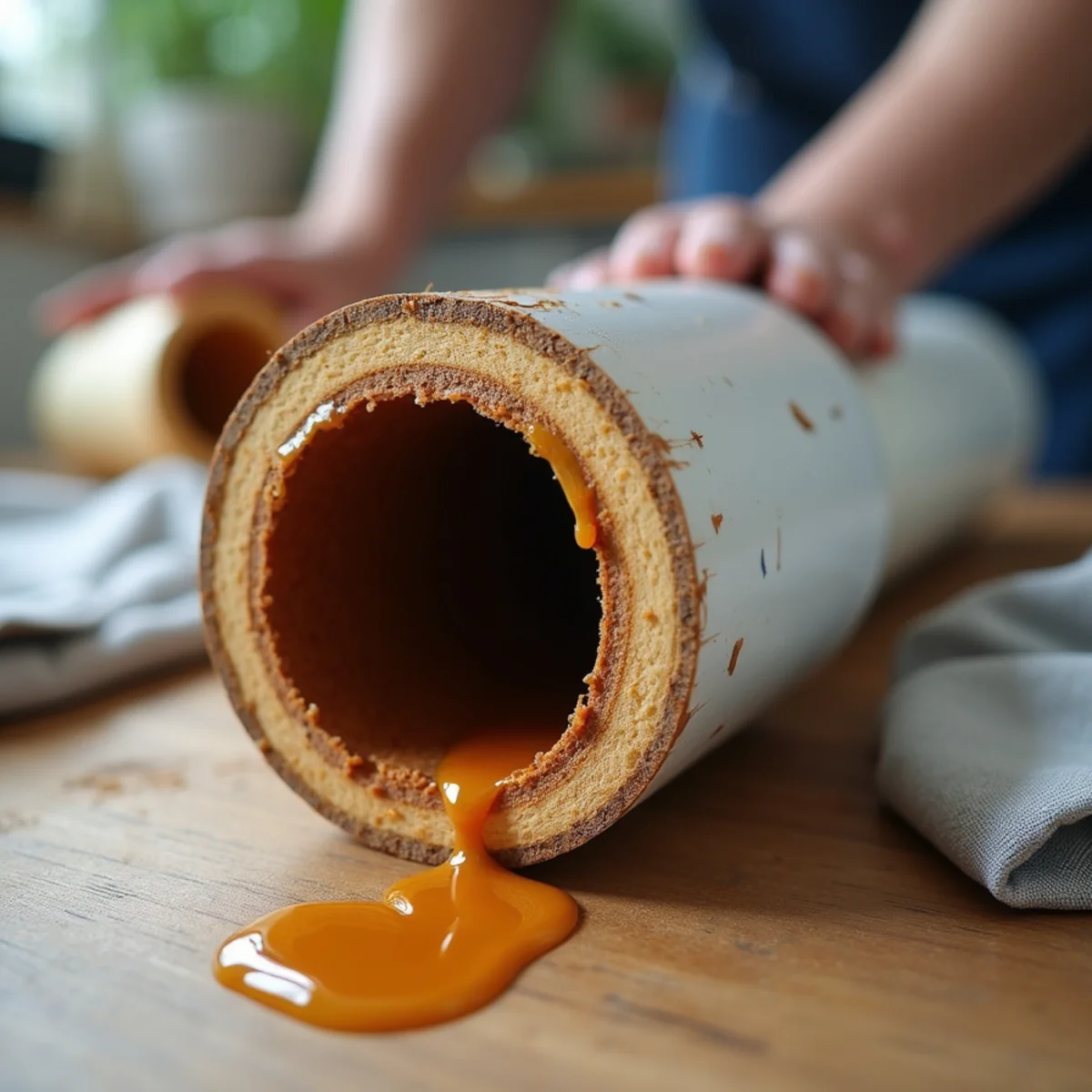
The 4 Hidden Culprits Behind Recurring Clogs
1. Grease and Fat Solidification: Pouring warm cooking oil or grease down the kitchen sink seems harmless, but as it cools in your underground pipes, it solidifies into a sticky, rock-hard wax called a 'grease dam' that captures every passing food particle.
2. Mineral Scale from Hard Water: Central Iowa's hard water leaves thick calcium deposits on the interior of drainage pipes, narrowing the effective pipe diameter and creating rough surfaces that snag hair and lint.
3. Invasive Tree Roots: Tiny microscopic root hairs infiltrate sewer line joints seeking water, expanding into dense nets that block all downstream flow.
4. Improper Pipe Slope (Bellies): Foundation settlement can cause horizontal drain lines to sag, creating a low spot that collects standing water and sludge.
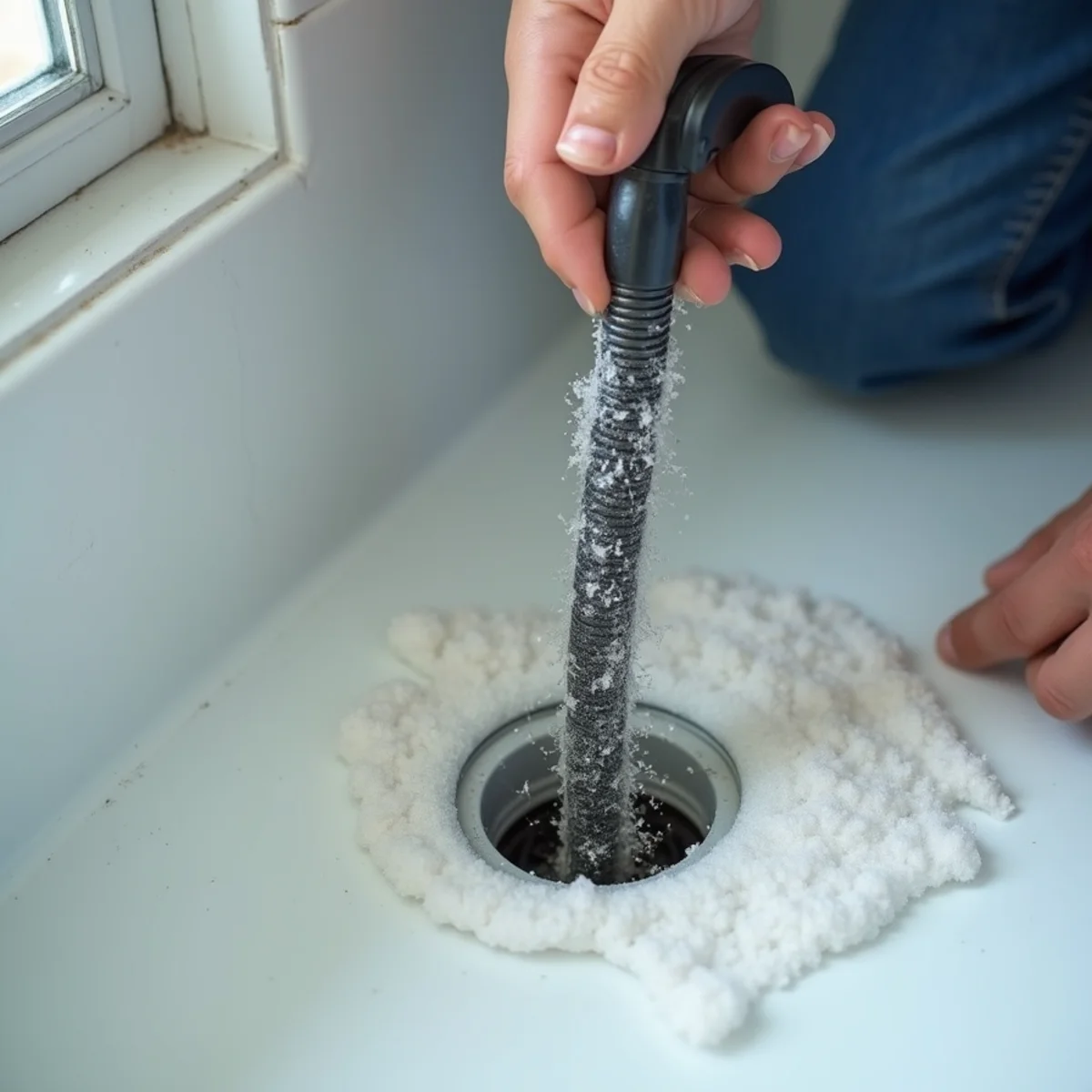
The Permanent Fix: Camera Inspection & Hydro-Jetting
Instead of poking temporary holes with a hand snake, Plumbing Ankeny uses high-definition sewer cameras to diagnose the exact issue, followed by 4,000-PSI hydro-jetting. Hydro-jetting scours your pipe walls completely clean, restoring full original capacity. Call (831) 290-4327 for same-day service.

The Science of Drainage Slope and Vent Stacks: Why Pitch Matters
How Improper Pipe Fall and Clogged Plumbing Vents Create Chronic Backups
When household drains clog repeatedly despite snaking, the root cause is frequently hydraulic rather than simple debris accumulation. Under the Iowa Uniform Plumbing Code, horizontal drain pipes must maintain a precise pitch—exactly 1/4-inch of fall per linear foot for pipes up to 3 inches in diameter.
If a pipe has too little pitch (or has sagged due to soil settling into a 'belly'), water moves too slowly, causing suspended solids, grease, and hair to drop to the bottom and form stubborn blockages. Conversely, if a pipe is pitched too steeply, liquids rush away rapidly, leaving heavy solids stranded behind. Furthermore, clogged roof vent stacks create negative air pressure (a vacuum), preventing drains from breathing and causing slow drainage and fixture gurgling.

Hydro-Jetting vs. Chemical Drain Cleaners: Preserving Pipe Integrity
Why Caustic Acid Cleaners Destroy Metal Pipes and Melt PVC Solvent Welds
When faced with a slow drain, many homeowners reach for commercial chemical drain openers containing sulfuric acid or sodium hydroxide (lye). While these chemicals generate intense heat that can burn through soft hair clogs, they cause catastrophic long-term damage to residential plumbing systems.
The extreme exothermic reaction produced by chemical cleaners softens PVC pipes, dissolves rubber gaskets, and rapidly corrodes aging galvanized and cast-iron lines, causing hidden leaks inside walls. Professional hydro-jetting utilizes pure, high-velocity water pressurized to 3,500 PSI with specialized backward-facing nozzles, safely scouring grease, mineral scale, and soap scum completely off pipe walls without harsh chemicals.
Central Iowa Building Codes & Master Plumber Standards Compliance
Plumbing work across Ankeny, Des Moines, and Polk County must comply strictly with the Iowa Uniform Plumbing Code (UPC) and local municipal amendments. Whether addressing emergency water leaks, replacing aging water heaters, or repairing subterranean sewer laterals, unpermitted work or DIY shortcuts can void homeowner insurance policies and create serious safety hazards including toxic sewer gas leaks and combustion backdrafting.
Plumbing Ankeny operates under Iowa Master Plumber License #0038924. Our certified technicians carry $2,000,000 in liability coverage, pull all required municipal permits, and coordinate required city trade inspections directly, ensuring your home remains safe, code-compliant, and protected for years to come.
Central Iowa Homeowner Action & Diagnostic Matrix
Stage 1: Hazard Mitigation
Shut off local fixture valves or the main building shut-off near the water meter. Turn off electrical circuit breakers if standing water is present.
Stage 2: Diagnostic Scoping
Deploy calibrated digital pressure gauges, fiber-optic sewer cameras, or acoustic leak detectors to verify root causes without unnecessary demolition.
Stage 3: Permanent Resolution
Execute permanent repairs using Type-L copper, ASTM F1960 PEX-a expansion, or CIPP epoxy liners backed by our 1-year parts and labor warranty.
Frequently Asked Questions
Why do chemical drain cleaners fail on recurring clogs?
Chemical drain cleaners only burn a small channel through the soft center of a clog, leaving hardened grease and scale coating the pipe walls to trap debris again within days.
How often should drains be hydro-jetted?
For residential homes with older piping or heavy kitchen use, hydro-jetting every 2 to 3 years maintains 100% pipe diameter and prevents backups.
Why do multiple plumbing fixtures in my house gurgle when one is draining?
Gurgling sounds across multiple fixtures indicate that your plumbing drainage system is starved for air due to a blocked roof vent stack, or that a major restriction is forming in your main building sewer lateral.
Can coffee grounds and eggshells really ruin my kitchen garbage disposal drain?
Yes. Coffee grounds do not dissolve in water; they accumulate in the P-trap and horizontal pipes, combining with cooking oils into a dense sludge. Eggshell membranes also wrap around disposal impellers and catch food solids.
How often should a residential main sewer line be professionally cleaned in Ankeny?
For newer homes with modern PVC lines, cleaning is only needed as issues arise. For homes over 30 years old with clay tile or cast-iron pipes susceptible to tree root intrusion, preventive hydro-jetting every 18 to 24 months is recommended.