

When dealing with sump pump cost & when to replace yours in iowa, prompt action and strict adherence to Iowa plumbing standards are critical. Our licensed master plumbers recommend immediate isolation of active hazards, following code-compliant diagnostic steps, and scheduling a professional on-site evaluation before minor plumbing vulnerabilities escalate into structural property damage.
Investing in Basement Flood Defense: 2026 Pricing
Your sump pump is the single most important mechanical protector of your finished basement. In Ankeny and surrounding Central Iowa communities, where high groundwater tables and spring storms exert immense hydrostatic pressure, relying on an aging builder-grade pump is a massive gamble.
Here is a transparent breakdown of replacement costs, pump grades, and battery backup systems for 2026.
Sump Pump Pricing Options in Polk County
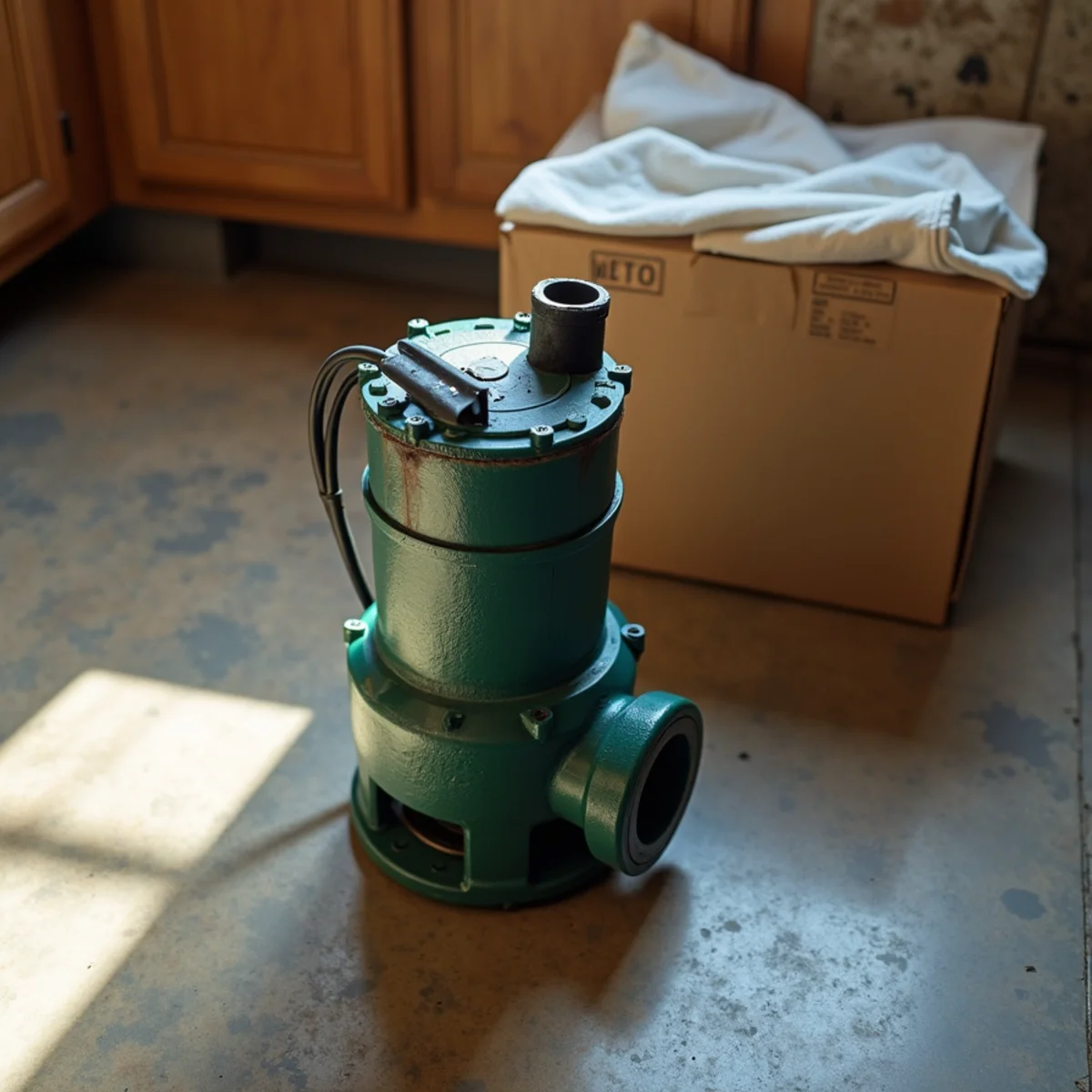
A standard 1/3 to 1/2 HP cast-iron submersible pump with a quiet check valve averages ~$998.25 installed. For homeowners with large walk-out basements or homes near Saylorville Lake, pairing this with an auxiliary dual-battery backup system brings the total investment to $1,800 – $2,800.
Considering that a single flooded basement claim easily costs $20,000 to $40,000 in ruined furniture and drywall repairs, a premium dual-pump system is the most cost-effective insurance you can buy.
- Standard Cast-Iron Submersible (1/3–1/2 HP): ~$998.25 benchmark installed
- Heavy-Duty Commercial Pump (3/4 HP high-head): $1,200 – $1,500 installed
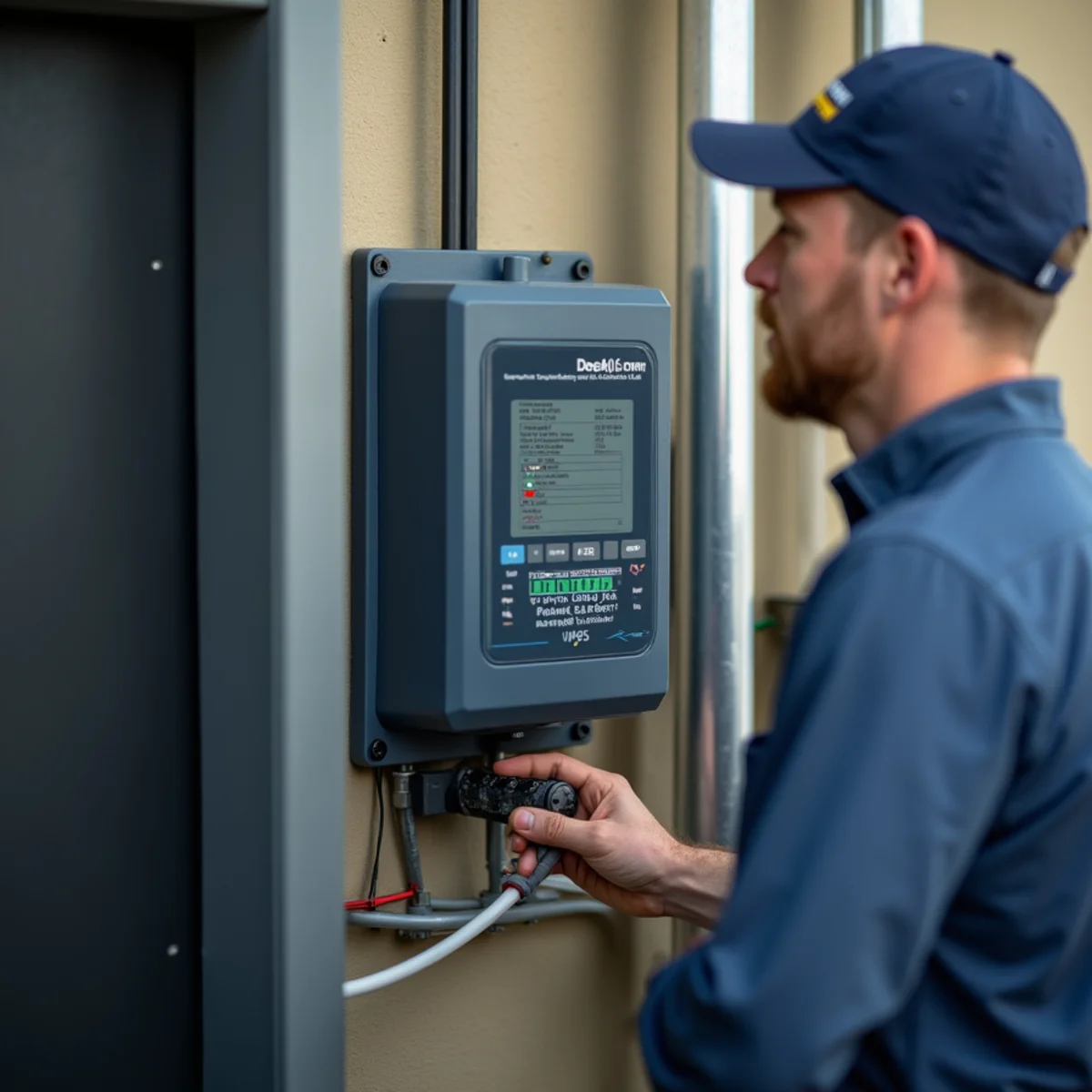
- Smart Battery Backup System with Inverter: $900 – $1,600 installed
- Complete Dual-Pump Combination System: $1,800 – $2,800 installed
4 Warning Signs Your Sump Pump Needs Immediate Replacement
1. Age: The pump is more than 7 years old.
2. Constant Running: The motor runs continuously even when water is well below the float switch.
3. Loud Vibrations: Grinding or rattling noises indicating a worn impeller bearing.
4. Visible Rust: Severe corrosion on the motor housing that threatens the waterproof electrical seal.
Cast Iron Submersible vs. Thermoplastic Pedestal Pumps: Reliability Analysis
Why Motor Heat Dissipation Dictates Longevity in Heavy Iowa Runoff
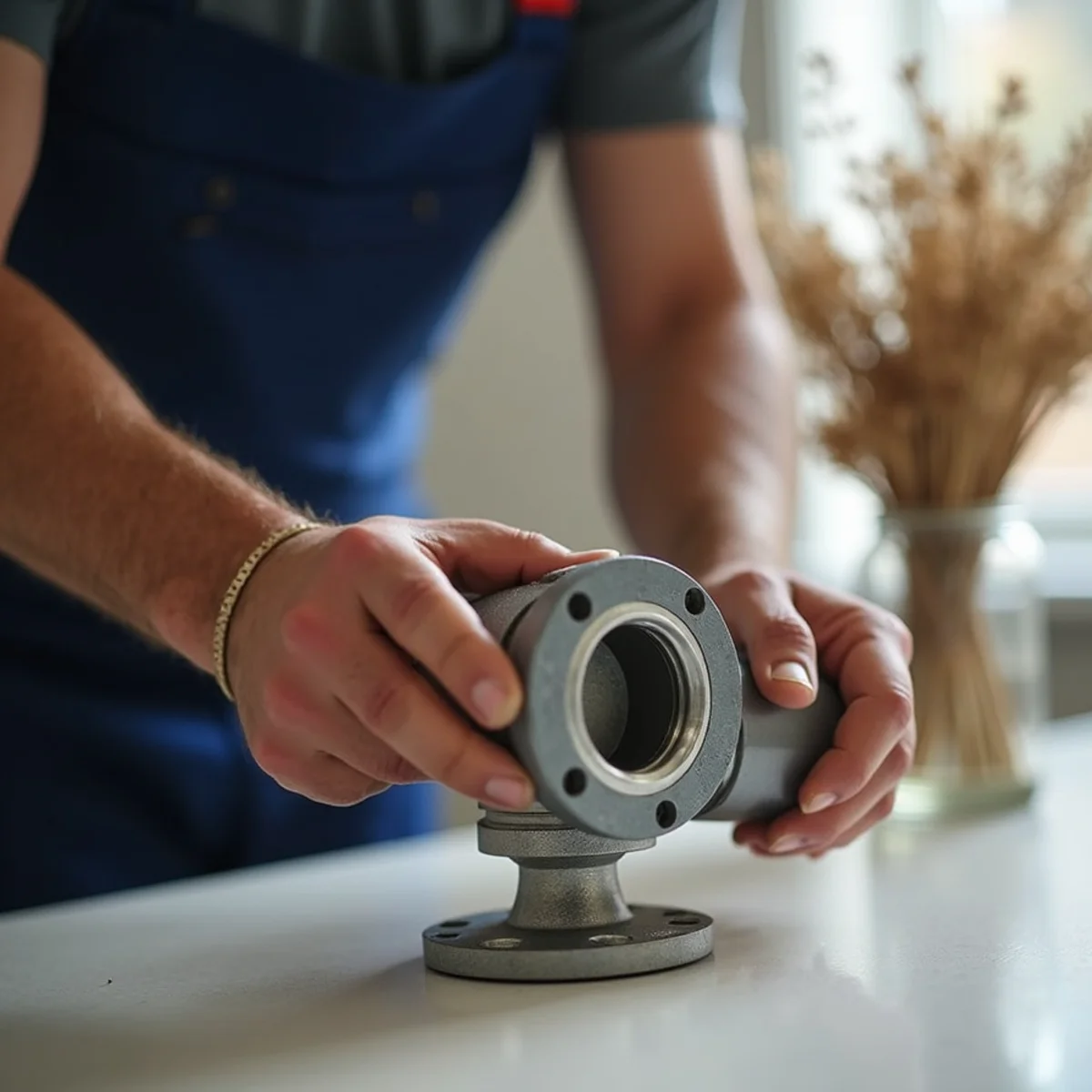
When purchasing a replacement sump pump, retail big-box stores often stock lightweight thermoplastic (plastic) pumps alongside heavy-duty cast-iron submersible units. The price difference ($150 vs $350 for the pump unit) represents a massive divergence in engineering reliability.
During torrential Midwest storms, a sump pump can run continuously for hours. Cast-iron housings act as efficient heat sinks, dissipating motor heat directly into the sump water and preventing thermal-overload shutdowns. Plastic housings trap heat, causing premature winding burnout. Furthermore, cast iron units utilize solid stainless steel impellers that easily pass small pebbles and sediment without cracking.

Dedicated Electrical Circuits and Sump Pump Failure Points
Preventing GFCI Nuisance Tripping During Severe Lightning Storms
One of the most common causes of basement flooding during severe Iowa thunderstorms has nothing to do with mechanical pump failure, but rather electrical circuit tripping. Many older basements have sump pumps plugged into general-use GFCI outlets shared with freezers, power tools, or garage circuits.
During nearby lightning strikes or electrical surges, sensitive GFCI receptacles frequently trip, silently cutting power to the sump pump right as rainfall peaks. Iowa building code best practices mandate that sump pumps be plugged into a dedicated, single-receptacle non-GFCI branch circuit, paired with an audible water alarm to alert homeowners immediately if power is lost.
Central Iowa Building Codes & Master Plumber Standards Compliance
Plumbing work across Ankeny, Des Moines, and Polk County must comply strictly with the Iowa Uniform Plumbing Code (UPC) and local municipal amendments. Whether addressing emergency water leaks, replacing aging water heaters, or repairing subterranean sewer laterals, unpermitted work or DIY shortcuts can void homeowner insurance policies and create serious safety hazards including toxic sewer gas leaks and combustion backdrafting.
Plumbing Ankeny operates under Iowa Master Plumber License #0038924. Our certified technicians carry $2,000,000 in liability coverage, pull all required municipal permits, and coordinate required city trade inspections directly, ensuring your home remains safe, code-compliant, and protected for years to come.
Central Iowa Homeowner Action & Diagnostic Matrix
Stage 1: Hazard Mitigation
Shut off local fixture valves or the main building shut-off near the water meter. Turn off electrical circuit breakers if standing water is present.
Stage 2: Diagnostic Scoping
Deploy calibrated digital pressure gauges, fiber-optic sewer cameras, or acoustic leak detectors to verify root causes without unnecessary demolition.
Stage 3: Permanent Resolution
Execute permanent repairs using Type-L copper, ASTM F1960 PEX-a expansion, or CIPP epoxy liners backed by our 1-year parts and labor warranty.
Frequently Asked Questions
How much does a standard sump pump installation cost in Ankeny?
In 2026, professional installation of a commercial-grade 1/3 or 1/2 HP cast-iron submersible sump pump benchmarks at approximately $998.25 in Polk County.
How often should I replace my sump pump in Iowa?
In Central Iowa's high-demand groundwater environment, primary sump pumps should be proactively replaced every 5 to 7 years before unexpected motor burnout occurs.
What horsepower sump pump is recommended for most Ankeny and Des Moines homes?
For standard residential basements with moderate groundwater, a 1/3-HP pump is minimal, but our master plumbers strongly recommend a 1/2-HP unit for homes with high water tables, long discharge runs, or intense clay soil runoff.
How long will a 12-volt battery backup sump pump run during a power outage?
A fully charged marine deep-cycle battery typically provides 5 to 7 hours of continuous pumping, or up to 2 to 4 days of intermittent cycling (running once every few minutes).
Why does my sump pump make a loud thud or banging noise every time it shuts off?
This loud thud is hydraulic 'water hammer' caused by the standard flapper check valve slamming shut under the weight of falling water in the vertical discharge pipe. Installing a quiet spring-loaded check valve completely silences this noise.