
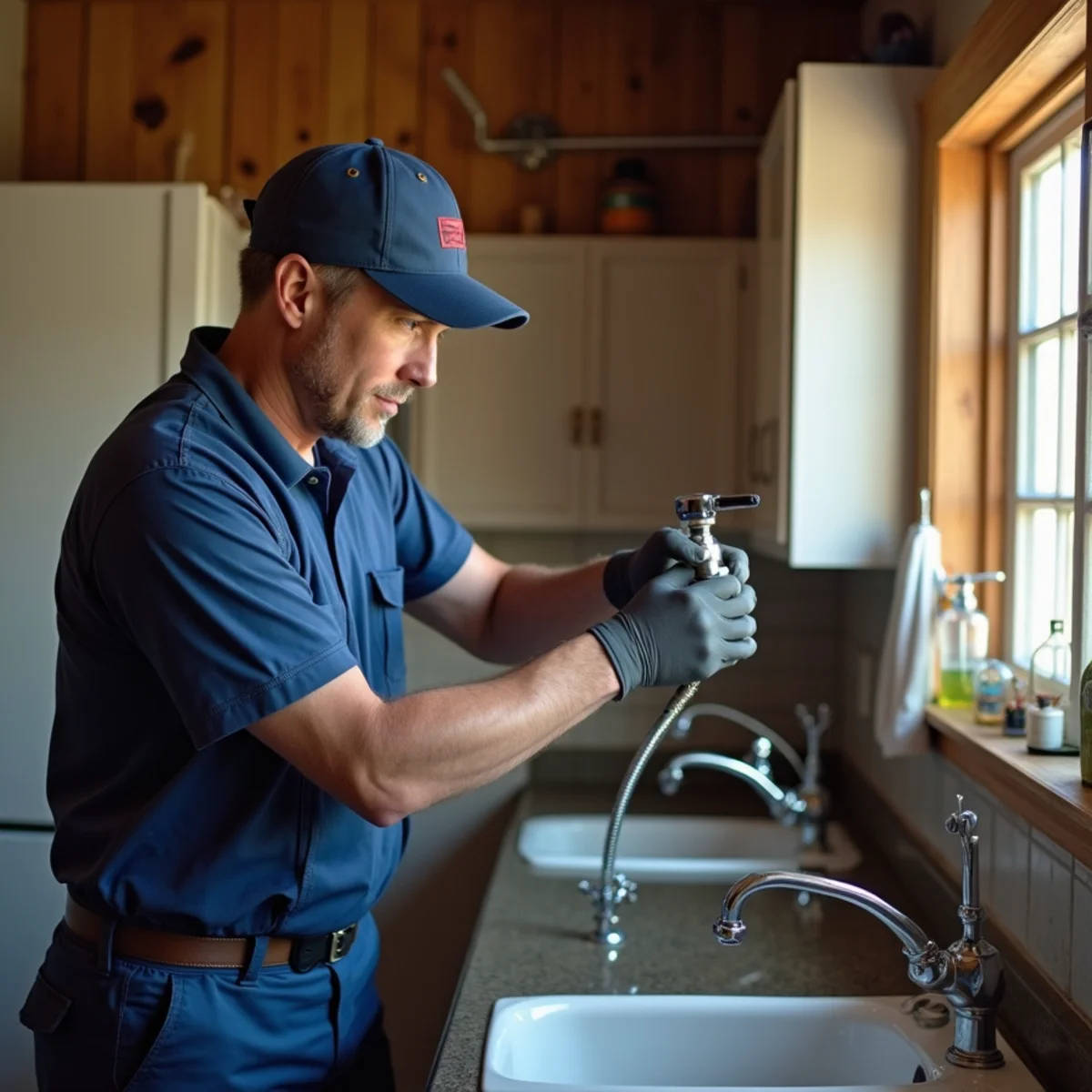
When dealing with hard water in central iowa: signs, damage & fixes, prompt action and strict adherence to Iowa plumbing standards are critical. Our licensed master plumbers recommend immediate isolation of active hazards, following code-compliant diagnostic steps, and scheduling a professional on-site evaluation before minor plumbing vulnerabilities escalate into structural property damage.
What Makes Central Iowa Water So Hard?
Iowa’s rich agricultural soils sit atop deep limestone and dolomite aquifers. As rain and snowmelt filter down through these mineral-rich geological layers, water dissolves substantial amounts of calcium and magnesium carbonates. By the time this water reaches your municipal tap in Ankeny, it contains 12 to 18 grains per gallon (GPG) of dissolved hardness.
While safe to drink, hard water is brutal on household plumbing, appliances, and fixtures.
5 Visible Signs of Hard Water in Your Home
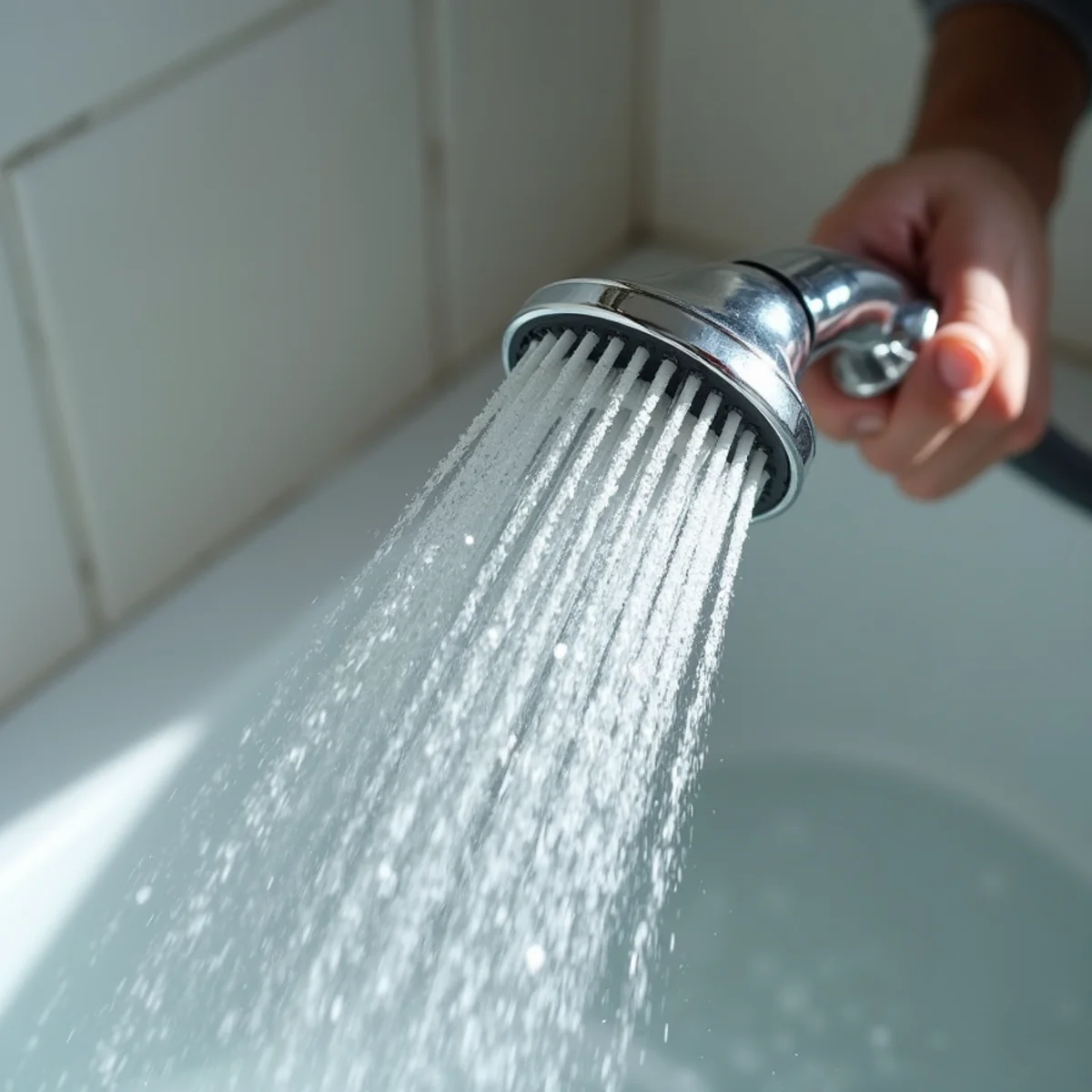
1. Crusty White Buildup on Fixtures: Faucets, showerheads, and aerators become coated with chalky white limescale that restricts flow.
2. Water Heater Rumbling: Mineral sediment accumulating at the base of your water heater boils and rumbles like a coffee percolator.
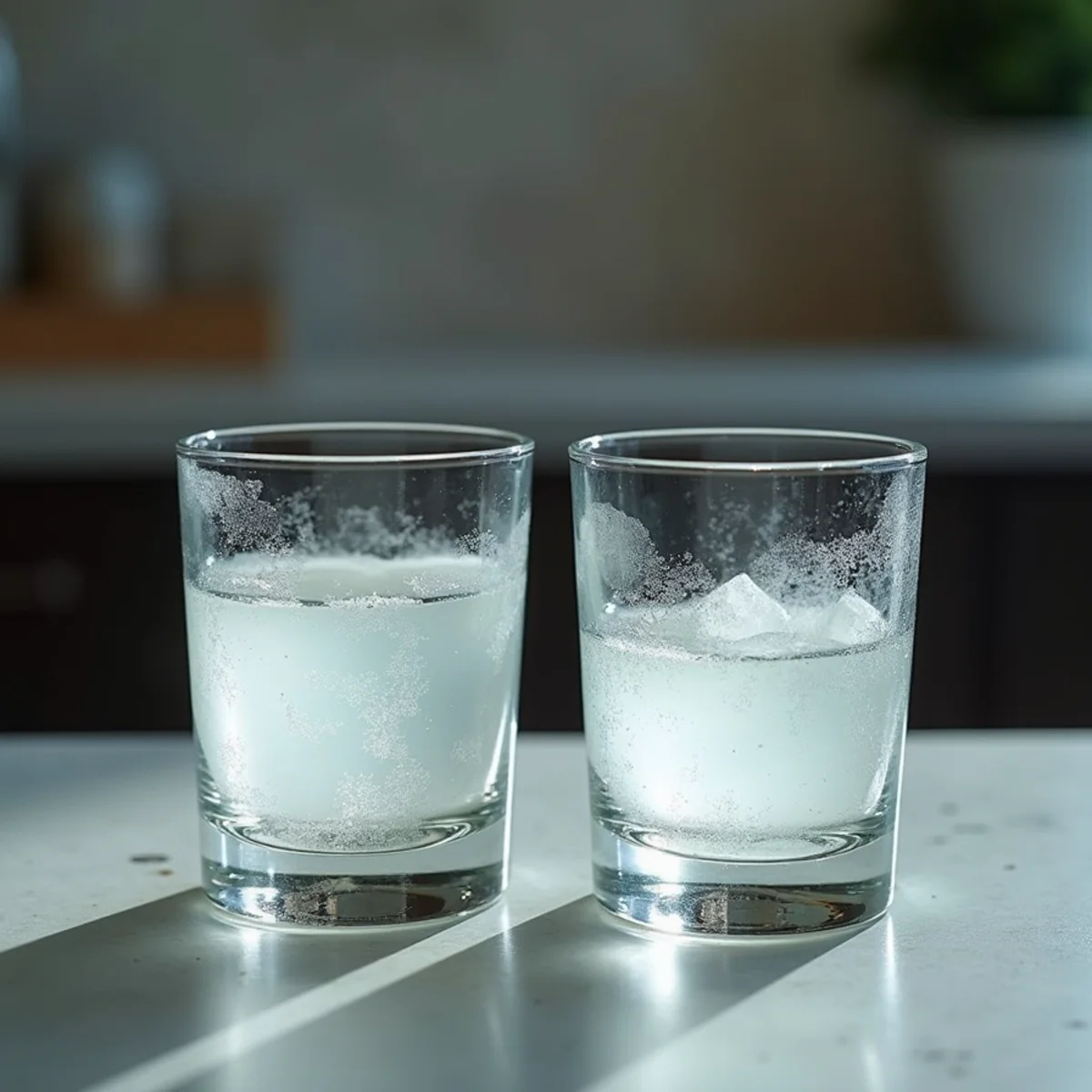
3. Cloudy Glassware: Dishwashers leave foggy film and spots on glasses and silverware.
4. Dry Skin and Dull Hair: Minerals prevent soap from lathering and leave a residue on skin and hair.
5. Sluggish Appliances: Washing machines, dishwashers, and coffee makers suffer premature heating element burnout.
The Solution: High-Efficiency Ion-Exchange Water Softening
Installing a high-efficiency whole-home water softener eliminates hard water problems at the source. At Plumbing Ankeny, we install commercial-grade ion-exchange water softeners (standard install benchmark ~$1,030.65) that swap calcium ions for sodium ions, protecting your water heater and extending appliance lifespan by years. Call (831) 290-4327 to test your water hardness today.

Mineral Grains Per Gallon (GPG) in Central Iowa Municipal Water
Analyzing Calcium and Magnesium Levels in Ankeny and the Jordan Aquifer
Water across Central Iowa is categorized by the Water Quality Association as 'very hard' to 'extremely hard.' Municipal supplies drawn from the Des Moines and Raccoon Rivers, alongside deep wells tapping the Jordan Aquifer, routinely test between 15 and 25+ grains per gallon (GPG) of dissolved calcium carbonate and magnesium ions.
To put this into perspective, any water exceeding 10.5 GPG is classified as extremely hard. A typical family of four in Ankeny uses approximately 100,000 gallons of water per year, meaning over 200 pounds of dissolved rock minerals flow through their plumbing fixtures, water heater, dishwasher, and appliances annually.

Ion-Exchange Water Softeners vs. Salt-Free Conditioners in Midwest Basements
True Mineral Extraction vs. Template-Assisted Crystallization (TAC)
Central Iowa homeowners frequently ask whether 'salt-free water conditioners' work as effectively as traditional ion-exchange water softeners. The short answer: for Iowa's extreme mineral concentrations, true ion-exchange water softening is unmatched.
Salt-free conditioners use Template-Assisted Crystallization (TAC) to temporarily alter mineral structure so they don't stick to pipes, but they do NOT remove calcium or magnesium from the water. You still experience soap scum, dry skin, and spotty dishes. A genuine ion-exchange softener swaps calcium and magnesium ions with trace sodium ions, completely removing hardness minerals and providing luxuriously soft water that extends appliance lifespans by up to 30%.
Central Iowa Building Codes & Master Plumber Standards Compliance
Plumbing work across Ankeny, Des Moines, and Polk County must comply strictly with the Iowa Uniform Plumbing Code (UPC) and local municipal amendments. Whether addressing emergency water leaks, replacing aging water heaters, or repairing subterranean sewer laterals, unpermitted work or DIY shortcuts can void homeowner insurance policies and create serious safety hazards including toxic sewer gas leaks and combustion backdrafting.
Plumbing Ankeny operates under Iowa Master Plumber License #0038924. Our certified technicians carry $2,000,000 in liability coverage, pull all required municipal permits, and coordinate required city trade inspections directly, ensuring your home remains safe, code-compliant, and protected for years to come.
Central Iowa Homeowner Action & Diagnostic Matrix
Stage 1: Hazard Mitigation
Shut off local fixture valves or the main building shut-off near the water meter. Turn off electrical circuit breakers if standing water is present.
Stage 2: Diagnostic Scoping
Deploy calibrated digital pressure gauges, fiber-optic sewer cameras, or acoustic leak detectors to verify root causes without unnecessary demolition.
Stage 3: Permanent Resolution
Execute permanent repairs using Type-L copper, ASTM F1960 PEX-a expansion, or CIPP epoxy liners backed by our 1-year parts and labor warranty.
Frequently Asked Questions
How hard is municipal water in Ankeny, Iowa?
Ankeny and Polk County tap water typically tests between 12 and 18 grains per gallon (GPG), which is classified by the Water Quality Association as 'very hard.'
How does hard water damage water heaters?
Calcium and magnesium bake onto the heating elements and bottom of the tank, creating a thick insulating sediment layer that causes overheating, rumbling noises, and early tank failure.
How does Central Iowa hard water reduce the lifespan of water heaters?
When hard water is heated above 135°F, calcium and magnesium precipitate out of solution, forming a thick crust of mineral scale at the bottom of the tank. This insulating scale causes the metal tank bottom to overheat, crack, and fail prematurely.
How much salt does a high-efficiency water softener consume monthly in Ankeny?
A modern demand-initiated regeneration water softener typically consumes one 40-pound bag of salt per month for a family of four, costing roughly $7 to $10 monthly.
Can installing a water softener help improve low water pressure in older Ankeny homes?
A water softener prevents future scale buildup, but existing heavily calcified galvanized pipes may require acid flushing or whole-home PEX-a repiping to permanently restore original water pressure.