
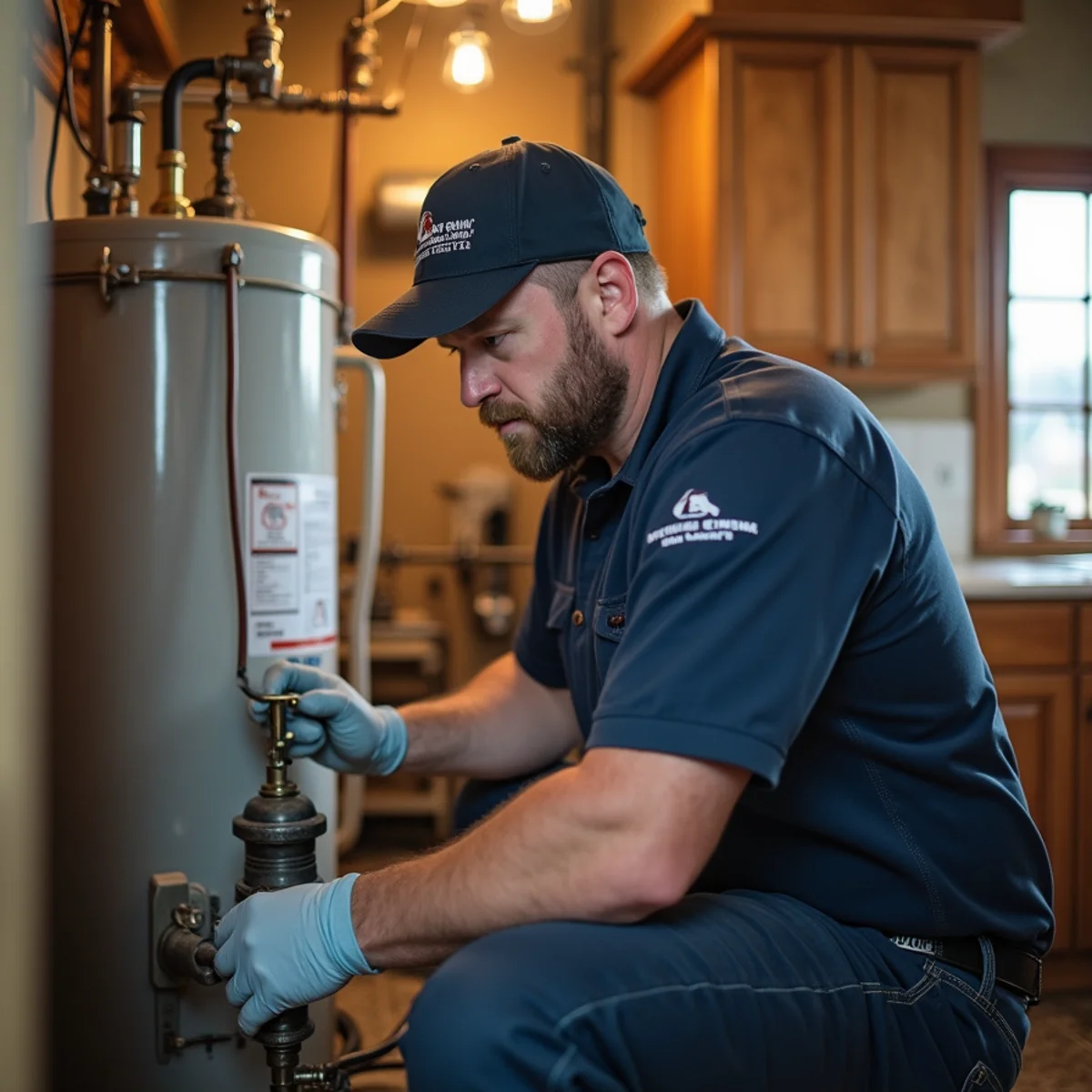
When dealing with spring plumbing maintenance for central iowa homeowners, prompt action and strict adherence to Iowa plumbing standards are critical. Our licensed master plumbers recommend immediate isolation of active hazards, following code-compliant diagnostic steps, and scheduling a professional on-site evaluation before minor plumbing vulnerabilities escalate into structural property damage.
Spring Thaw: What Happens to Your Plumbing After Winter
When the Iowa winter finally recedes, warming temperatures and ground thaws bring a new set of plumbing challenges. Soil expands as frost melts, shifting underground sewer lines and water service connections. Meanwhile, hidden freeze damage from sub-zero winter temperatures often only reveals itself when outdoor faucets are turned on for the first time.
Here is your essential spring plumbing checklist to transition smoothly into the warm season.
Key Spring Inspection Tasks
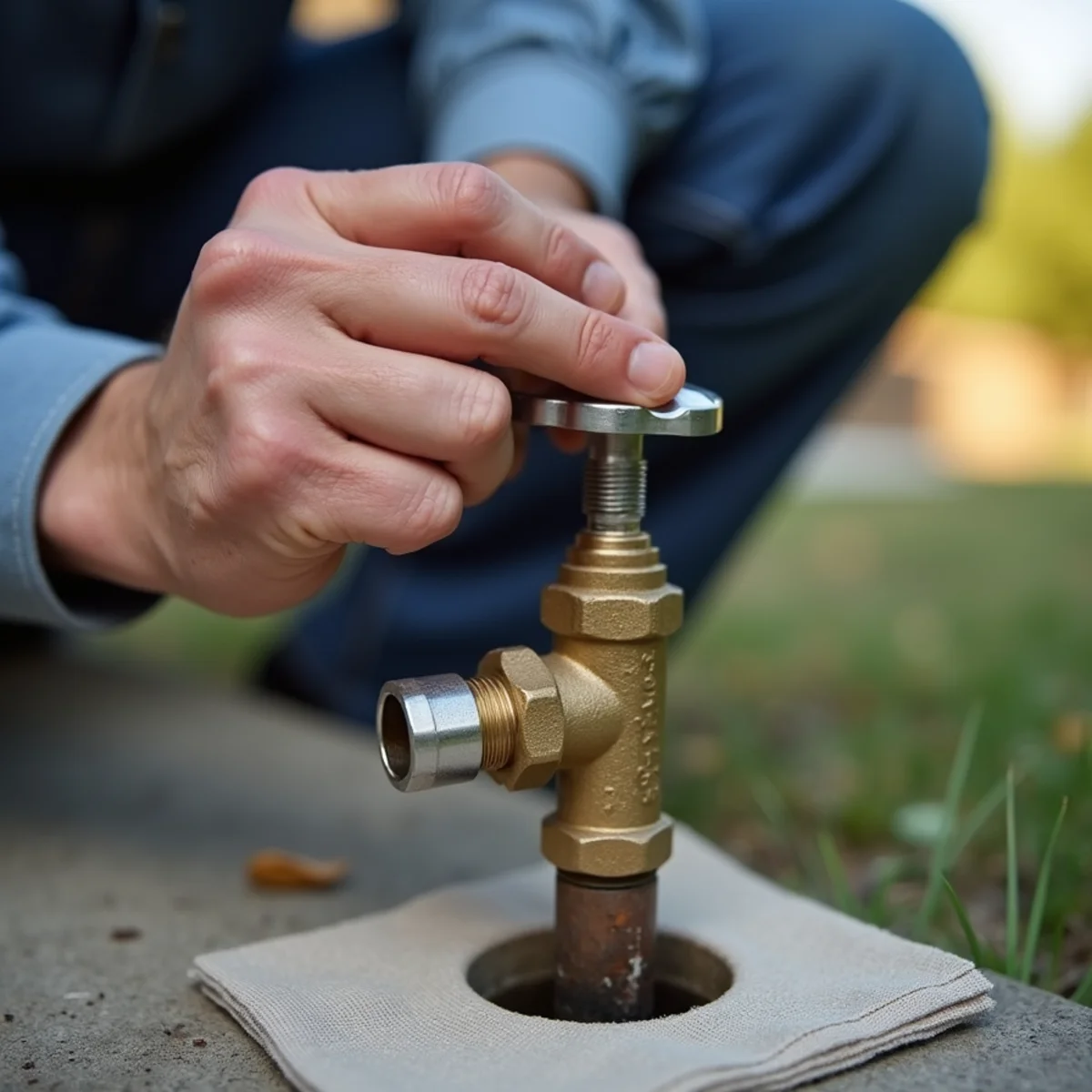
• Test Outdoor Spigots for Hidden Frost Damage: When you first turn on an exterior hose bibb, have someone watch inside the basement rim joist. If water sprays into the house, shut it off immediately—the sillcock body cracked over winter.
• Inspect the Water Heater Anode Rod: After working overtime all winter heating cold 38°F groundwater, inspect your water heater for sediment buildup and test the temperature-pressure relief (TPR) valve.
• Clear Gutters and Downspouts Away from Sump Lines: Ensure roof downspouts discharge at least 6 to 10 feet away from your foundation to reduce the workload on your sump pump.
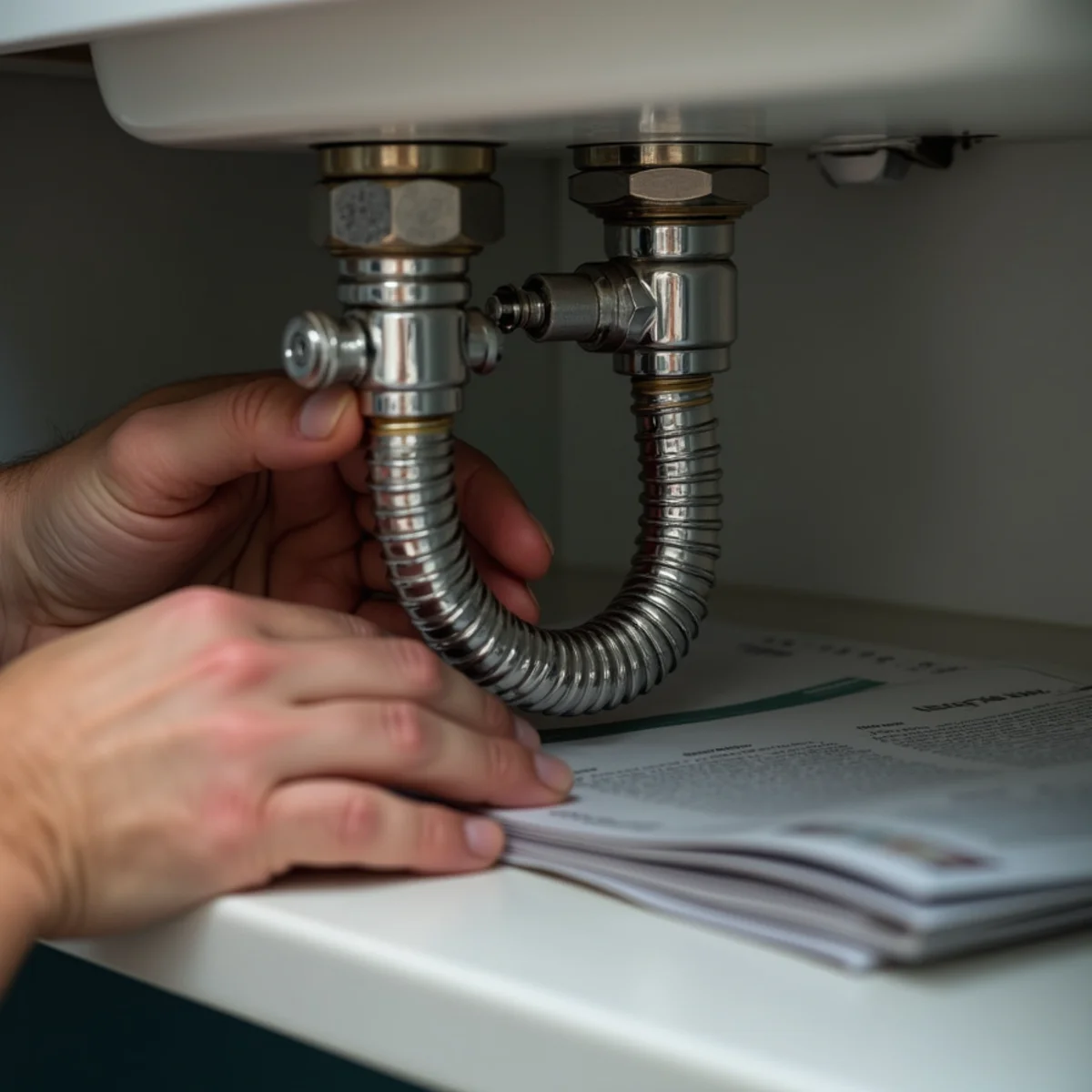
• Inspect Exposed Water Supply Lines: Check exposed pipes in basements and crawlspaces for greenish corrosion or dried mineral drips indicating minor winter weeping.
Schedule Your Spring Inspection with Plumbing Ankeny
Plumbing Ankeny provides comprehensive spring plumbing evaluations across Ankeny, Des Moines, and Polk County. Call (831) 290-4327 to book your service today.

Post-Winter Outdoor Plumbing Audit: Inspecting Hose Bibs and Crawlspaces
Detecting Hidden Winter Freeze Splits Before Turning on Garden Water
As Iowa's ground thaws in April, property owners eagerly head outside to wash cars and hook up garden hoses. However, turning on exterior sillcocks without a preliminary inspection is a recipe for catastrophic indoor flooding.
If water froze inside an exterior faucet over the winter, the brass tube inside the wall may have split. To test for damage safely: attach a hose nozzle to the spigot with the nozzle shut off, turn the outdoor faucet handle fully on to pressurize the line, and inspect your basement or crawlspace directly behind the faucet. If you hear hissing or see water pouring down your foundation wall, shut the valve off immediately and call a licensed plumber.
Water Heater Flush: Clearing Des Moines Valley Sediment and Mineral Scale
Restoring Thermal Heat Transfer and Preventing Tank Bottom Corrosion
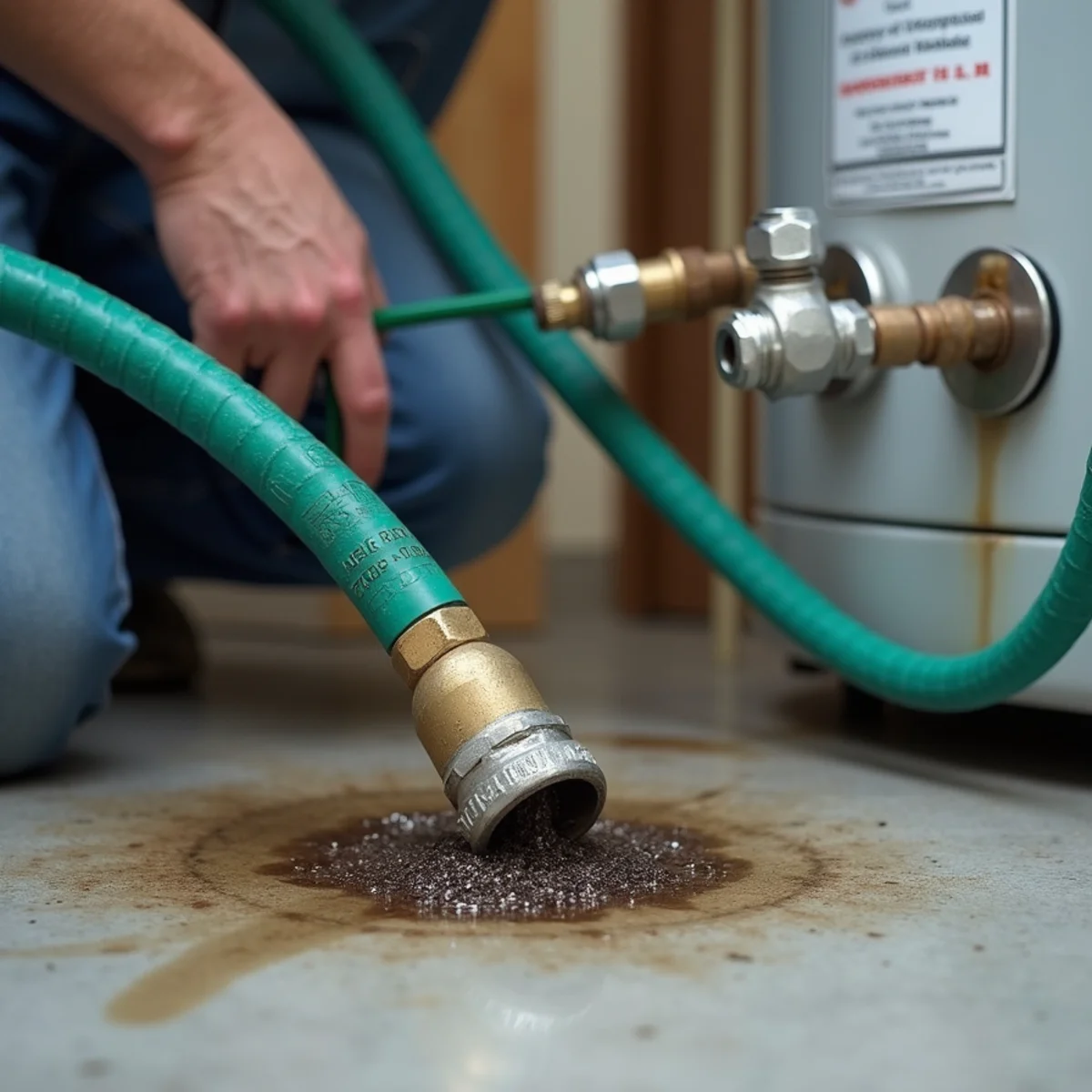
After months of heavy winter demand heating freezing 38°F municipal groundwater, your water heater has accumulated an extensive layer of hard mineral scale and calcium carbonate sediment at the bottom of the tank.
Sediment acts as a dense thermal barrier between the gas burner (or electric element) and the water, forcing the heater to run much hotter and longer to achieve set temperatures. Performing an annual high-volume sediment flush restores quiet burner operation, drops monthly utility bills, and prevents bottom-tank thermal fatigue that causes sudden ruptures.
Central Iowa Building Codes & Master Plumber Standards Compliance
Plumbing work across Ankeny, Des Moines, and Polk County must comply strictly with the Iowa Uniform Plumbing Code (UPC) and local municipal amendments. Whether addressing emergency water leaks, replacing aging water heaters, or repairing subterranean sewer laterals, unpermitted work or DIY shortcuts can void homeowner insurance policies and create serious safety hazards including toxic sewer gas leaks and combustion backdrafting.
Plumbing Ankeny operates under Iowa Master Plumber License #0038924. Our certified technicians carry $2,000,000 in liability coverage, pull all required municipal permits, and coordinate required city trade inspections directly, ensuring your home remains safe, code-compliant, and protected for years to come.
Central Iowa Homeowner Action & Diagnostic Matrix
Stage 1: Hazard Mitigation
Shut off local fixture valves or the main building shut-off near the water meter. Turn off electrical circuit breakers if standing water is present.
Stage 2: Diagnostic Scoping
Deploy calibrated digital pressure gauges, fiber-optic sewer cameras, or acoustic leak detectors to verify root causes without unnecessary demolition.
Stage 3: Permanent Resolution
Execute permanent repairs using Type-L copper, ASTM F1960 PEX-a expansion, or CIPP epoxy liners backed by our 1-year parts and labor warranty.
Frequently Asked Questions
How do I test my outdoor spigot for winter freeze damage?
Turn on the outdoor spigot and place your thumb firmly over the opening. If you can stop the water flow completely with your thumb, the pipe is likely split inside the wall and leaking into your basement.
Why do sewer lines back up more frequently in spring?
Spring rainfall saturates clay soils, increasing underground water pressure and stimulating aggressive tree root growth into sewer joints.
Why does my outdoor spigot spray water from the cap on top when I turn it on?
That cap houses the anti-siphon vacuum breaker valve. If it sprays water continuously, the internal rubber gasket or plastic plunger froze and ruptured during the winter, requiring a replacement vacuum breaker kit.
How can I tell if my water heater sacrificial anode rod needs replacement this spring?
A master plumber removes the top hex anode rod to inspect it. If the aluminum or magnesium metal has corroded away to reveal the core steel wire, the rod must be replaced to prevent tank corrosion.
What should I check on my main water shut-off valve each spring?
Exercise the valve handle by turning it fully off and back on. Gate valves can seize or develop packing gland leaks if left unmoved for years. Upgrading to a modern 1/4-turn ball valve ensures reliable emergency shut-off.