
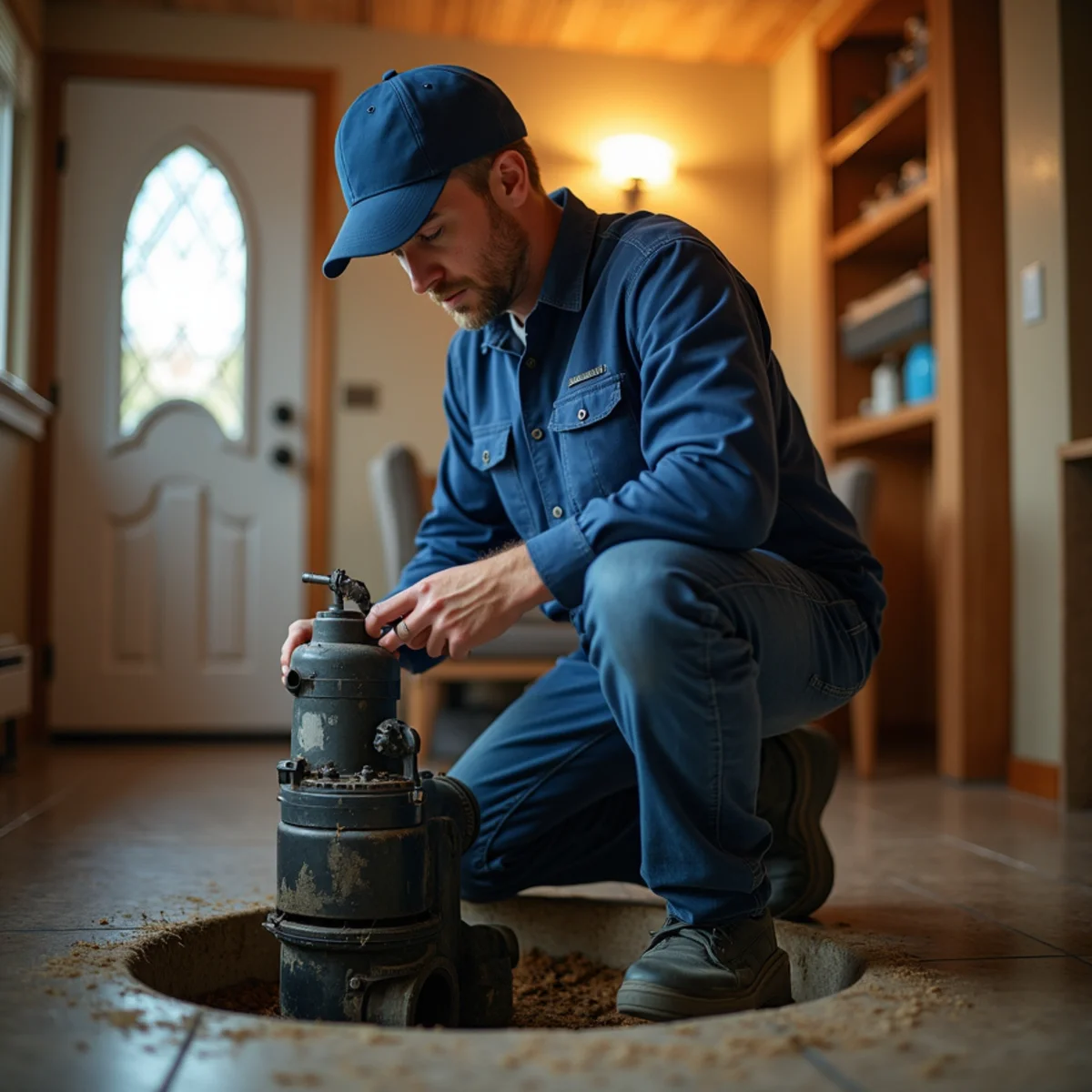
When dealing with annual sump pump & battery-backup maintenance in iowa, prompt action and strict adherence to Iowa plumbing standards are critical. Our licensed master plumbers recommend immediate isolation of active hazards, following code-compliant diagnostic steps, and scheduling a professional on-site evaluation before minor plumbing vulnerabilities escalate into structural property damage.
Why Spring Sump Pump Maintenance Is Mandatory in Iowa
Your sump pump sits in a dark basin in the corner of your basement, often forgotten—until a midnight thunderstorm knocks out power and water starts rising. In Central Iowa, spring snowmelt combined with torrential rain pushes water tables to their yearly peaks.
Performing a 15-minute maintenance routine each spring guarantees your pump is ready when the storm hits.
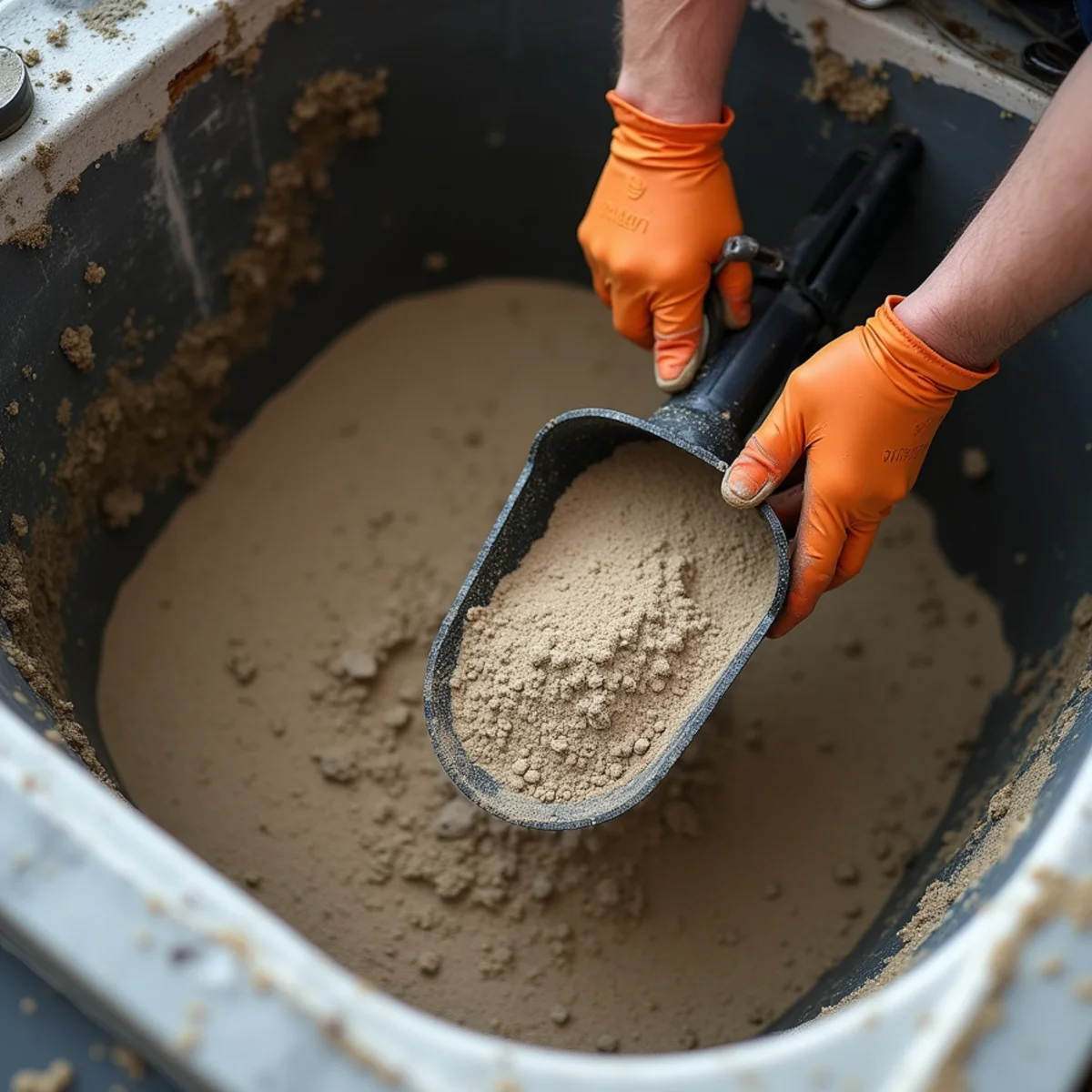
Your 5-Step Annual Maintenance Routine
1. Clean Out the Sump Pit: Debris, silt, and gravel accumulate at the bottom of the basin over time. Disconnect power and scoop out any sediment that could jam the pump impeller.
2. Inspect the Float Switch: Ensure the float mechanism moves freely up and down without rubbing against the basin wall, cords, or discharge pipe.
3. Test the Check Valve: The check valve stops pumped water from flowing backward into the pit. When the pump shuts off, water should hold steady in the vertical pipe.
4. Run the 5-Gallon Bucket Test: Pour 5 gallons of water into the pit to verify rapid automatic activation and complete discharge.
5. Test the Battery Backup System: Unplug the primary pump from the wall outlet and pour water into the pit to verify that the auxiliary battery backup kicks in instantly.
Upgrade to Professional Flood Defense
Need a professional tune-up or a commercial-grade battery backup installation? Contact Plumbing Ankeny at (831) 290-4327 for comprehensive flood prevention services.
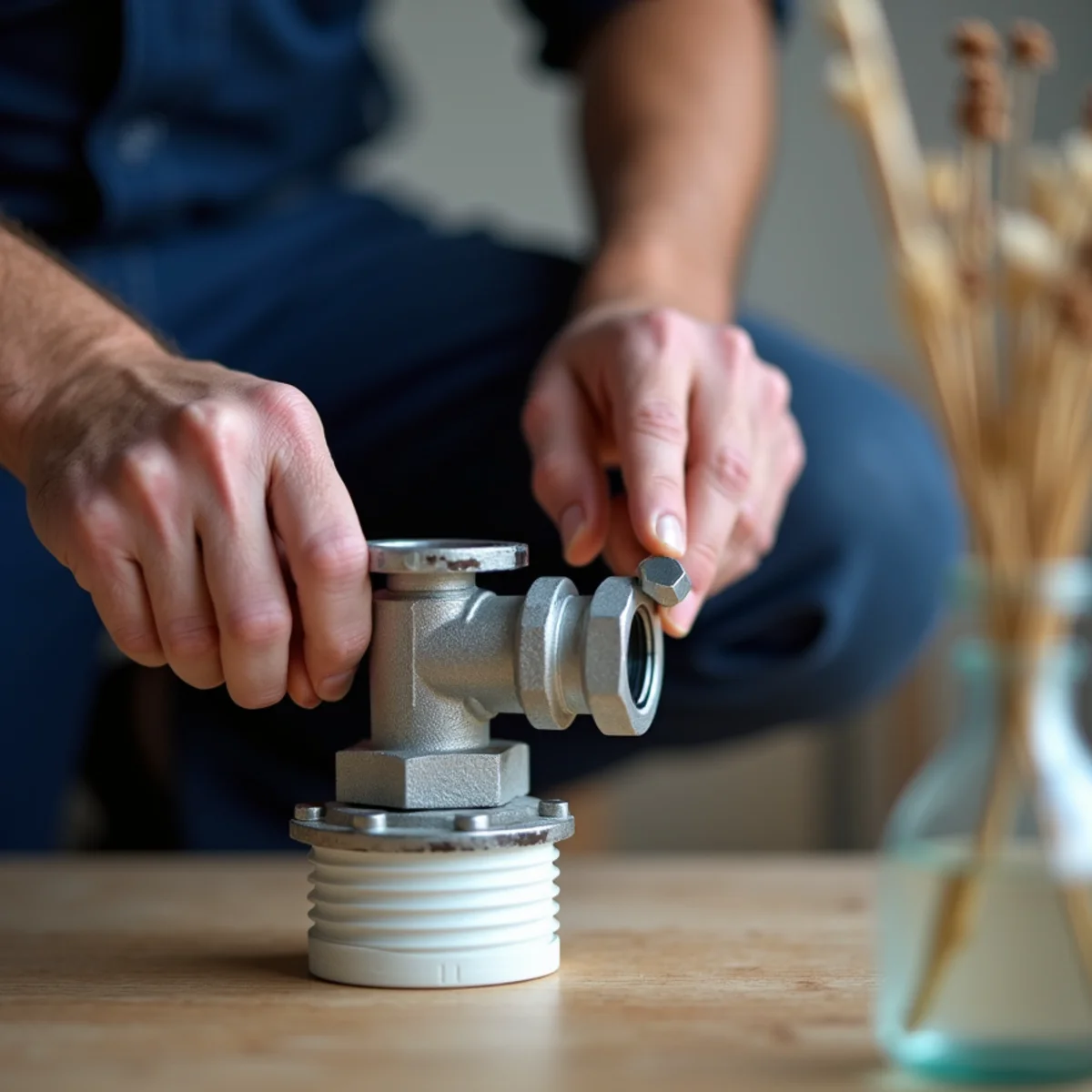
Float Switch Testing and Impeller Debris Extraction Protocol
Why Mechanical Float Failures and Volute Airlocks Cause Most Basement Floods
Over 80% of sump pump service calls handled by our Ankeny technicians are caused not by electrical motor burnout, but by mechanical float switch malfunctions. Sump basins collect gravel, lint, silt, and rust sludge that can obstruct mechanical vertical float rods or pin tethered floats against the basin wall.
Annual maintenance requires disconnecting the pump, clearing accumulated sediment from the pit base, and verifying the impeller spins freely without hair or debris binding. Furthermore, our technicians inspect the 3/16-inch weep hole drilled in the discharge pipe between the pump volute and the check valve. If this tiny hole clogs with sediment, the pump will airlock, running continuously without discharging a single drop of water.
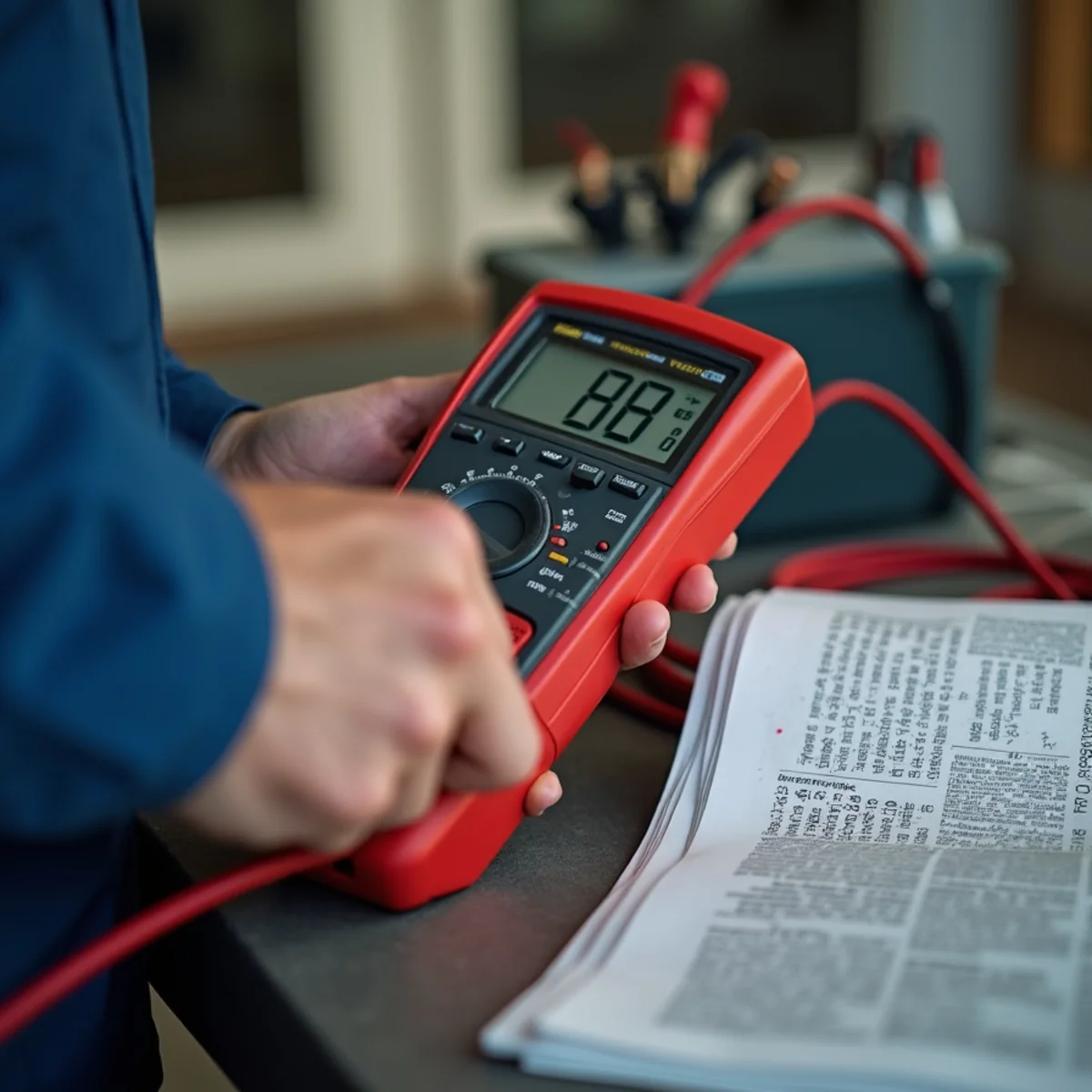
Deep-Cycle Marine vs. Lithium-Iron-Phosphate (LiFePO4) Battery Backups
Evaluating Runtime, Maintenance Schedules, and Lifespans Under Power Outages
When severe storms knock out electrical power across Central Iowa, your battery backup sump pump is your home's sole line of defense. Traditionally, systems utilized lead-acid or AGM deep-cycle marine batteries, which require annual distilled water top-offs and must be replaced every 3 years.
Modern high-performance backup systems now utilize Lithium-Iron-Phosphate (LiFePO4) batteries. While higher in initial investment, lithium batteries offer 2,000+ full discharge cycles (compared to 300 for lead-acid), zero maintenance, faster recharge times, and a 10-year operational lifespan, delivering bulletproof security during prolonged power blackouts.
Central Iowa Building Codes & Master Plumber Standards Compliance
Plumbing work across Ankeny, Des Moines, and Polk County must comply strictly with the Iowa Uniform Plumbing Code (UPC) and local municipal amendments. Whether addressing emergency water leaks, replacing aging water heaters, or repairing subterranean sewer laterals, unpermitted work or DIY shortcuts can void homeowner insurance policies and create serious safety hazards including toxic sewer gas leaks and combustion backdrafting.
Plumbing Ankeny operates under Iowa Master Plumber License #0038924. Our certified technicians carry $2,000,000 in liability coverage, pull all required municipal permits, and coordinate required city trade inspections directly, ensuring your home remains safe, code-compliant, and protected for years to come.
Central Iowa Homeowner Action & Diagnostic Matrix
Stage 1: Hazard Mitigation
Shut off local fixture valves or the main building shut-off near the water meter. Turn off electrical circuit breakers if standing water is present.
Stage 2: Diagnostic Scoping
Deploy calibrated digital pressure gauges, fiber-optic sewer cameras, or acoustic leak detectors to verify root causes without unnecessary demolition.
Stage 3: Permanent Resolution
Execute permanent repairs using Type-L copper, ASTM F1960 PEX-a expansion, or CIPP epoxy liners backed by our 1-year parts and labor warranty.
Frequently Asked Questions
How do I test my sump pump safely?
Fill a 5-gallon bucket with water and slowly pour it into your sump pit. The float switch should rise, the motor should engage smoothly, pump the water out in seconds, and cycle off cleanly.
How often should backup batteries be replaced?
AGM deep-cycle sump pump backup batteries have an operational lifespan of 3 to 5 years. Test the battery electrolyte or voltage annually.
How do I test my sump pump check valve to verify water isn't flowing backward?
Listen closely when the pump shuts off. You should hear a soft click as the flapper closes. If you see water churning backward down the pipe into the pit, the check valve is stuck open and must be replaced.
Why is there an orange rust-colored slime covering my sump pump and pit?
This is iron ochre (iron bacteria), a naturally occurring harmless bacterium that feeds on iron in Central Iowa groundwater, creating a sticky orange sludge that can clog pump screens and float switches.
How often should a battery backup sump pump battery be replaced in Iowa?
Standard AGM or lead-acid marine batteries should be replaced every 3 to 4 years. Modern lithium backup batteries typically last 8 to 10 years.