
When dealing with tankless vs. tank water heaters for iowa winters, prompt action and strict adherence to Iowa plumbing standards are critical. Our licensed master plumbers recommend immediate isolation of active hazards, following code-compliant diagnostic steps, and scheduling a professional on-site evaluation before minor plumbing vulnerabilities escalate into structural property damage.
The Big Debate: Endless Hot Water vs. Proven Storage Tanks
As water heaters approach their 10-year expiration date, Iowa homeowners frequently ask: 'Is it worth upgrading to a tankless system, or should I stick with a traditional tank?' In cold Midwestern climates, this decision involves more than just energy savings—it involves groundwater temperature and heating capacity.
Here is an unbiased comparison of how both systems perform during brutal Iowa winters.
The Iowa Winter Temperature Rise Factor
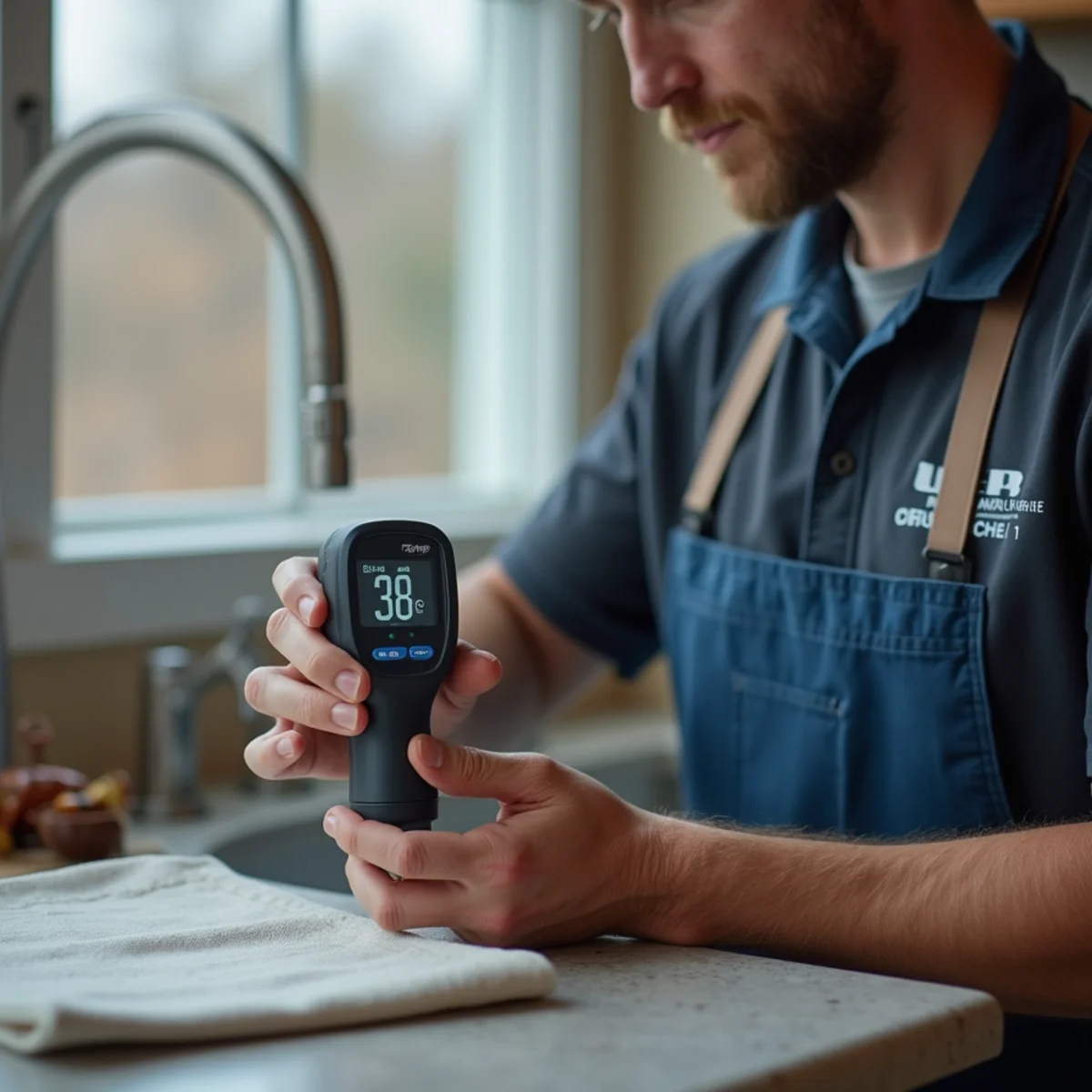
In warm climates, incoming municipal groundwater enters homes at 65°F to 75°F. In Ankeny in January, groundwater enters at a frigid 38°F. To deliver a standard shower temperature of 120°F, your water heater must achieve an 82°F temperature rise.
Traditional tanks achieve this by heating 50 gallons slowly over an hour. Tankless units must heat water instantly as it rushes through the heat exchanger. That is why choosing an undersized tankless unit will result in weak flow during winter. Proper sizing (199,000 BTU) is non-negotiable.
Head-to-Head Comparison: Tank vs. Tankless
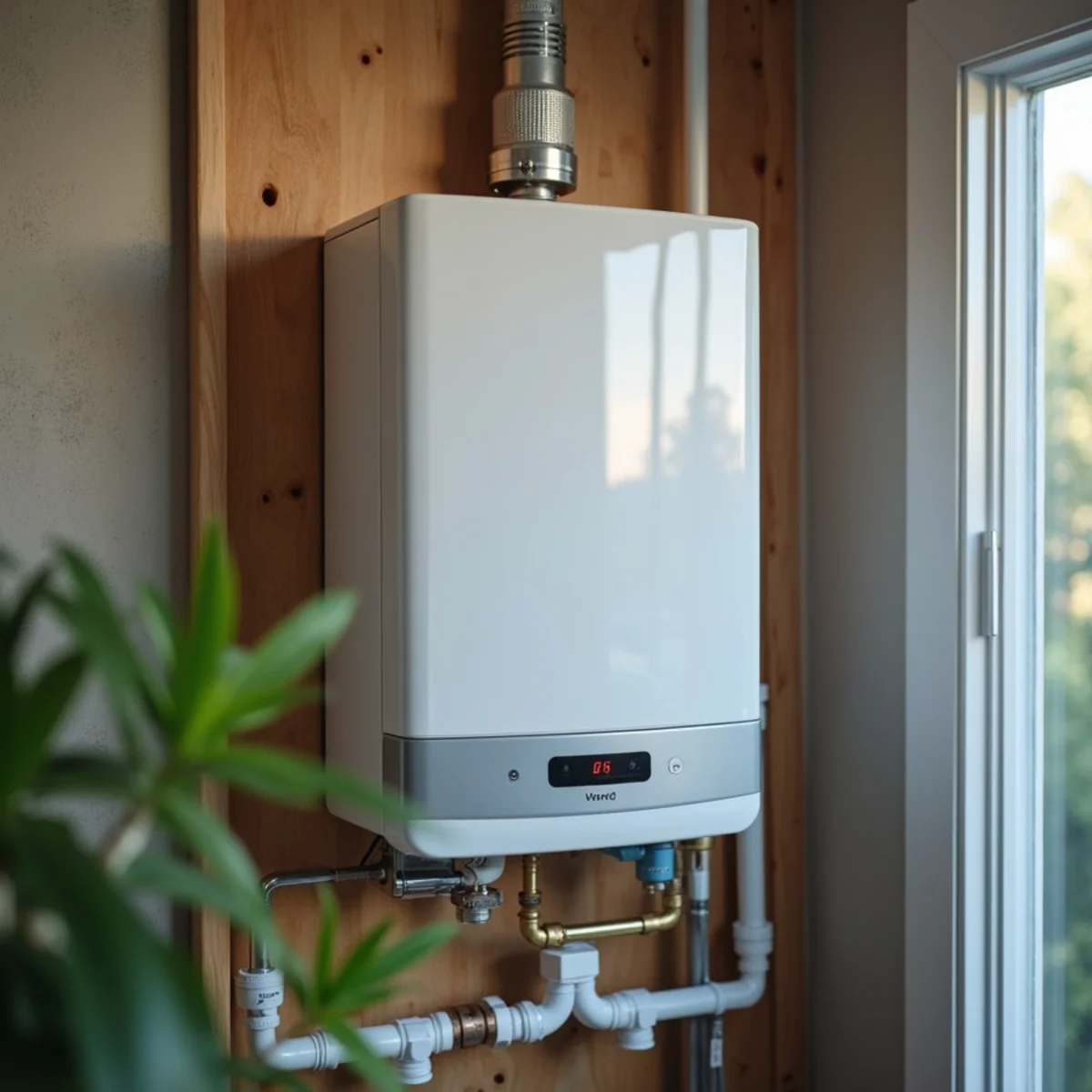
• Lifespan: Traditional tanks last 8–12 years in Central Iowa; tankless units last 20+ years with annual descaling.
• Space: Tanks occupy 12–16 square feet of floor space; tankless units mount cleanly on the wall.
• Efficiency: Traditional tanks run at ~0.60 UEF due to standby heat loss; condensing tankless units operate at up to 0.96 UEF.
• Upfront Cost: Tanks cost $1,400–$2,400 installed; tankless units cost $2,800–$4,500 installed.
Which Is Right for Your Ankeny Home?
If you plan to stay in your home for more than 5 years, have a growing family that runs out of hot water, or want to reclaim basement floor space, tankless is the clear winner. For rental properties or budget-conscious immediate replacements, high-efficiency tanks remain a solid choice. Call (831) 290-4327 for an on-site evaluation.

Groundwater Temperature Delta-T Engineering During Iowa Sub-Zero Winters
Why Tankless Systems Require Higher BTU Ratings to Deliver High Winter GPM
When shopping for tankless water heaters in Central Iowa, the most critical engineering factor is 'Delta-T' (the difference between incoming groundwater temperature and desired hot water temperature). In July, Iowa municipal water enters homes around 65°F. In January, groundwater plummets to a chilling 38°F.
To heat 38°F groundwater to a comfortable 120°F requires an immense temperature rise of 82°F. Undersized tankless units (120,000 to 150,000 BTU) will throttle water flow to a trickle during winter to maintain temperature. Our master plumbers install high-output commercial-grade condensing units rated at 199,000 BTU, guaranteeing at least 4.5 to 5.5 GPM of continuous hot water even during a sub-zero polar vortex.
Gas Line Sizing and Concentric PVC/Polypropylene Venting Upgrades
Upgrading from 1/2-Inch Gas Lines to Dedicated 3/4-Inch Supply Feeds
Standard 40-gallon storage tanks consume roughly 40,000 BTU/hr of natural gas through a standard 1/2-inch gas pipe. High-efficiency tankless water heaters demand nearly five times that volume (up to 199,000 BTU/hr) the moment a shower is turned on. Starving a tankless unit of gas causes error codes, flame failure, and incomplete combustion.
Upgrading to tankless requires calculating total household gas load and often running a dedicated 3/4-inch or 1-inch gas line directly from the gas meter. Additionally, modern condensing tankless heaters exhaust cool flue gases that require side-wall concentric PVC or polypropylene venting, bypassing aging masonry chimneys.
Central Iowa Building Codes & Master Plumber Standards Compliance
Plumbing work across Ankeny, Des Moines, and Polk County must comply strictly with the Iowa Uniform Plumbing Code (UPC) and local municipal amendments. Whether addressing emergency water leaks, replacing aging water heaters, or repairing subterranean sewer laterals, unpermitted work or DIY shortcuts can void homeowner insurance policies and create serious safety hazards including toxic sewer gas leaks and combustion backdrafting.
Plumbing Ankeny operates under Iowa Master Plumber License #0038924. Our certified technicians carry $2,000,000 in liability coverage, pull all required municipal permits, and coordinate required city trade inspections directly, ensuring your home remains safe, code-compliant, and protected for years to come.
Central Iowa Homeowner Action & Diagnostic Matrix
Stage 1: Hazard Mitigation
Shut off local fixture valves or the main building shut-off near the water meter. Turn off electrical circuit breakers if standing water is present.
Stage 2: Diagnostic Scoping
Deploy calibrated digital pressure gauges, fiber-optic sewer cameras, or acoustic leak detectors to verify root causes without unnecessary demolition.
Stage 3: Permanent Resolution
Execute permanent repairs using Type-L copper, ASTM F1960 PEX-a expansion, or CIPP epoxy liners backed by our 1-year parts and labor warranty.
Frequently Asked Questions
Can a tankless water heater freeze during an Iowa winter?
Modern condensing units feature built-in electric freeze-protection ceramic heaters that prevent freezing down to -30°F, provided the unit remains plugged into power.
How many gallons per minute (GPM) does a family need in winter?
In Iowa winter, groundwater enters at ~38°F. Sizing a 199k BTU unit ensures ~5.5 GPM, enough to run two simultaneous high-flow showers at 120°F without dropping temperature.
Can an exterior-vented tankless water heater freeze during an Iowa winter power outage?
Tankless units have internal electric freeze-prevention ceramic heaters that operate down to -20°F, but they require electrical power. If power is lost during a winter storm, an emergency battery backup or manual water drainage is required to prevent heat exchanger freeze damage.
How often does a tankless water heater require vinegar descaling in Ankeny?
Due to Central Iowa's hard water (15 to 20+ GPG), tankless heat exchangers must be flushed with a non-toxic descaling solution or food-grade white vinegar every 12 months to clear calcium deposits and maintain peak efficiency.
Is there an annoying delay in getting hot water with a tankless system?
It takes a few seconds for the tankless burner to ignite and heat flowing water. To eliminate water waste and wait times, our plumbers install models featuring built-in internal recirculation pumps that deliver instant hot water to distant fixtures.